Seoul + Busan Grand Tour (5N6D)
The ultimate Korea trip combining Seoul's palaces, trendy neighborhoods, and nightlife with Busan's beaches, temples, and street food markets. Travel between cities on the KTX bullet train for the complete Korean experience in 6 days.
Duration
6 days
Location
Seoul & Busan
Places
17 places
The whole route
Every place on this course, joined in order on one map.
Daily itinerary
Places are grouped by day so the whole route stays easy to scan.
Day 1
Arrive Seoul: Palaces & Traditional Culture
3 places
Begin your grand Korean adventure in Seoul's historic heart. Explore the magnificent Gyeongbokgung Palace, wander through the traditional craft shops of Insadong, and stroll the charming alleyways of Bukchon Hanok Village with its 600-year-old traditional houses.
 Sights4.6
Stop 1Gyeongbokgung Palace
Founded in 1395 as the principal palace of the Joseon dynasty, Gyeongbokgung contains major halls, pavilions, gardens, and restored compounds. Hours vary by season, and it normally closes on Tuesdays.
Before you go: Check seasonal hours because closing changes between 17:00, 18:00, and 18:30.
161 Sajik-ro, Jongno District, Seoul, South Korea
Open in maps
 Sights4.4
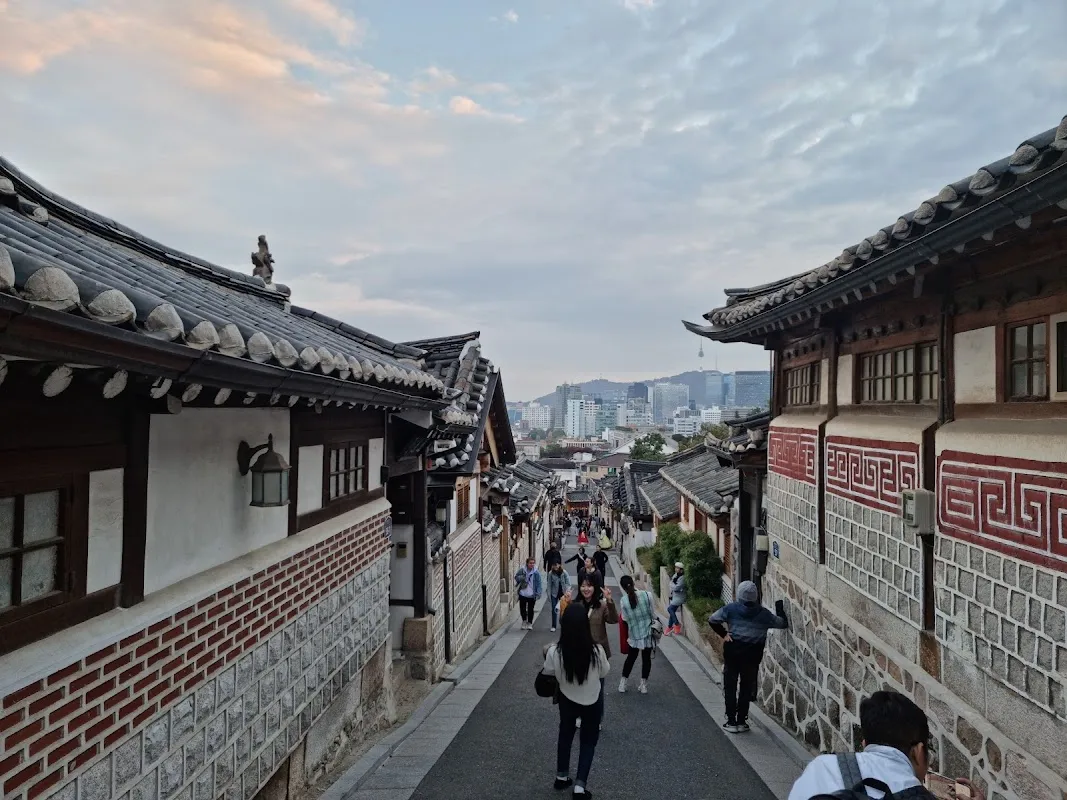
Stop 2Bukchon Hanok Village
Bukchon is a lived-in district between Gyeongbokgung and Changdeokgung where hanok and modern buildings coexist. Its residential lanes offer views of tiled roofs and central Seoul.
Before you go: Tourist visits in the red zone around Bukchon-ro 11-gil are allowed only from 10:00 to 17:00; this does not apply to all of Bukchon.
Gyedong-gil, Jongno District, Seoul, South Korea
Open in maps
 Shopping
Stop 3Insadong
Insadong is a Seoul neighbourhood where lanes branch off from a main street and gather galleries, traditional craft shops, antique shops, tea houses, and restaurants. Its galleries show a range of work, from Korean painting to prints and sculpture. Walking through the alleys lets visitors browse traditional objects and stop at a tea house or restaurant.
Before you go: The side alleys off the main street contain traditional craft shops, antique shops, and tea houses.
Insa-dong, Jongno District, Seoul, South Korea
Open in maps
Places to eat nearby
 Food4.8
Bukchon Mugunghwa
A sundae-gukbap house by Jongno 3-ga Station that calls itself a haejang tavern, pairing its pork and sausage soup with grilled gopchang and boiled pork.
Before you go: Use Exit 5 of Jongno 3-ga Station. The restaurant is just south of Ikseon-dong, not in the Bukchon Hanok Village area.
1F, 126 Supyo-ro, Jongno-gu, Seoul, South Korea
Open in maps
 Food4.4
Bukchon Son-mandu
Family-run handmade dumpling shop since 1953, now in its 3rd generation. Steamed, fried, shrimp, and galbi mandu plus kalguksu noodle soup. Right in the heart of Bukchon Hanok Village.
Before you go: Dumplings from ~₩3,000/3pc, assorted platter ₩8,000, full meal under ₩15,000
10 Bukchon-ro 4-gil, Jongno District, Seoul, South Korea
Open in maps
 Food4.2
On 6.5
A kimchi dining bar in a Bukchon hanok whose name reflects the restaurant’s idea of the temperature for well-ripened kimchi.
Before you go: Order the signature fried kimchi and watch the dongchimi sour cream go on at the table.
28 Bukchon-ro 1-gil, Anguk-dong, Jongno-gu, Seoul, South Korea
Open in maps
 Cafe4.2
Onion Anguk
Onion's bakery cafe in a Gyedong hanok, opened in 2019 after its partition walls were stripped out and its inner courtyard restored.
Before you go: Exit 3 of Anguk Station opens right at the start of Gyedong-gil, a walk of a few minutes.
5 Gyedong-gil, Jongno-gu, Seoul, South Korea
Open in maps
 Food4.3
Eomyongbaek Dwaeji Gukbap, Jonggak Branch
The Insadong branch of Busan's Eomyongbaek, serving pork-and-rice soup in both a clear Busan-style broth and a milky Miryang-style broth.
Before you go: Choose between the clear Busan style and the rich Miryang style, or order one of each to compare the broths.
20 Insadong 3-gil, Jongno 2-ga, Jongno-gu, Seoul, South Korea
Open in maps
 Cafe4.2
Dawon Traditional Tea House
A serene traditional Korean tea house hidden in Insadong. Enjoy teas like omija (five-flavor berry), yuja (citron), and ssanghwa (herbal) in a hanok setting with a beautiful garden.
Before you go: Good rest stop between Insadong and Bukchon.
South Korea, Seoul, Jongno District, Insadong-gil, 34 1층
Open in maps
 Cafe
Ikseon-dong Hanok Cafe Street
Ikseon-dong Hanok Cafe Street is a neighborhood in the middle of Jongno-gu where 118 hanok built before the 1930s stand close together. Its narrow, tightly packed alleys are lined with cafes, restaurants and small shops set inside renovated hanok, so old houses and new businesses sit side by side.
Before you go: The area is close to Exit 6 of Jongno 3-ga Station.
Ikseon-dong, Jongno District, Seoul, South Korea
Open in maps
 Food4.2
Balwoo Gongyang (Temple Food)
Balwoo Gongyang is a temple-food restaurant on the fifth floor of the Templestay Information Center, across the street from Jogyesa, run directly by the Jogye Order of Korean Buddhism. The kitchen uses no meat and none of the five pungent vegetables (garlic, green onion, garlic chives, wild chives and asafoetida), seasoning dishes with long-aged soy sauce and doenjang and serving them as a paced course.
Before you go: The restaurant is on the fifth floor of the Templestay Information Center, across the street from Jogyesa; look for the building with the Templestay promotion hall on the ground floor.
71 Gyeonji-dong, Jongno District, Seoul, South Korea
Open in maps
 Food4.6
Shilla Jemyeon Anguk Branch
A kalguksu restaurant on Gyedong-gil near Anguk Station, known for its spicy octopus bibim kalguksu, kalnakji.
Before you go: Once the kalnakji is gone, mix the bibimbap on the menu into the leftover sauce; reviews suggest topping it with white kimchi.
19-6 Gyedong-gil, Jongno-gu, Seoul, South Korea
Open in maps
 Food4.0
Samcheongdong Sujebi
Samcheongdong Sujebi has been part of the neighbourhood’s dining history since 1982. Its signature sujebi features hand-pulled dough in a savoury anchovy broth, while its potato pancakes are made from grated potato and crisped on the outside. Together, the soup and pancake offer a taste of rustic Korean comfort food.
Before you go: Compare the anchovy-broth sujebi with the crisp outside and chewy centre of the potato pancake.
101-1 Samcheong-ro, Jongno District, Seoul, South Korea
Open in maps
Day 2
Seoul: Trendy Neighborhoods & Han River
3 places
Discover Seoul's modern creative side. Start in the lively university district of Hongdae with its street performers and indie shops, relax along the iconic Han River, and explore the industrial-chic cafes of Seongsu-dong.
 Sights4.5
Stop 1Hongdae
Hongdae is the neighborhood that spreads from Hongik University toward Hongik University Station, with lanes of fashion, beauty, book and stationery shops, select shops, cafés and restaurants. Busking and dance on the Walking Street and the Free Market in the park by the university's main gate keep a culture of making and showing your own work out on the street.
Before you go: From Hongik University Station Exit 8 or 9, walk straight toward the university to reach the Walking Street.
347-20 Seogyo-dong, Mapo-gu, Seoul, South Korea
Open in maps
 Sights4.5
Stop 2Yeouido Hangang Park
Yeouido Hangang Park lies along the Han River on Yeouido, the island where Korea's politics, finance and media are concentrated. It has the Water Light Square, a floating stage and a yacht marina, while Bamseom Island and the Yeouido Saetgang stream remain relatively close to their natural state and are known as places to learn about river ecology. The spring flower festival and the international fireworks festival are held here.
Before you go: Under the south end of Mapo Bridge, Seoul Color Park has sculptures and benches in Seoul's ten signature colors.
330 Yeouidong-ro, Yeongdeungpo-gu, Seoul, South Korea
Open in maps
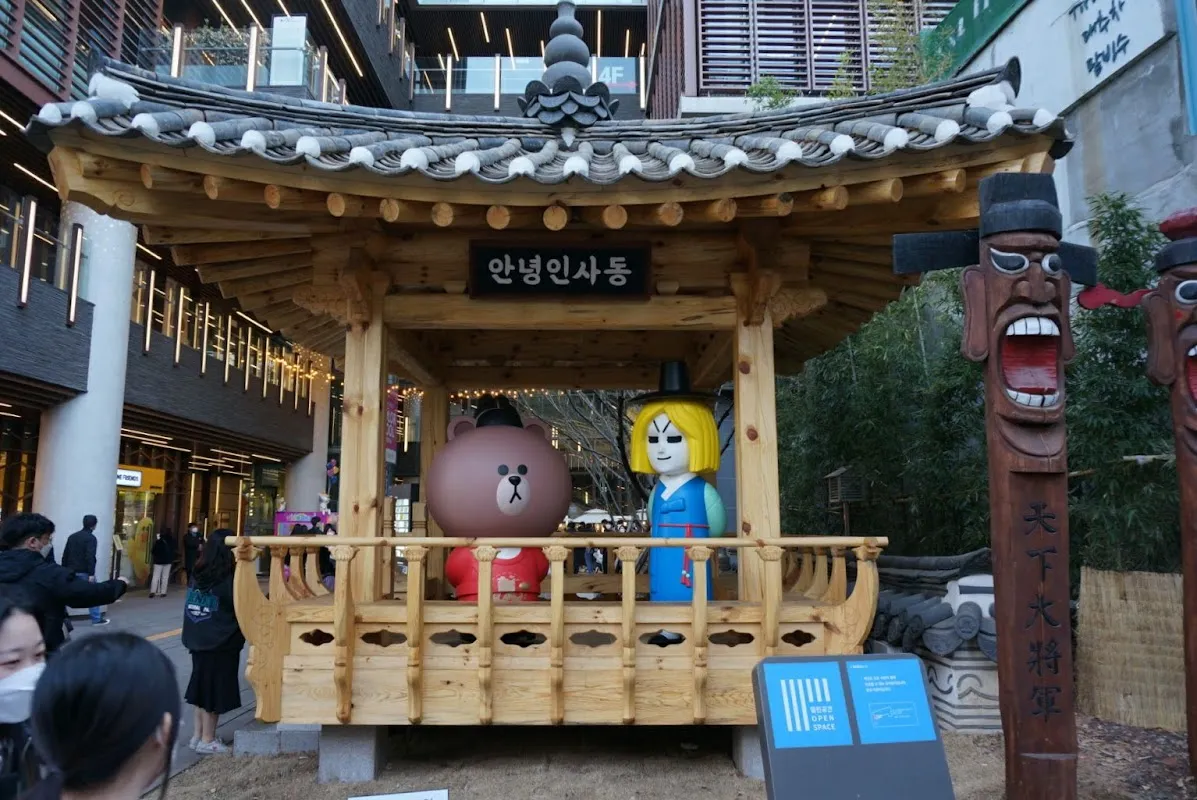
 Cafe4.5
Stop 3Seongsu-dong Cafe District
Seongsu-dong Cafe District is the area around Yeonmujang-gil near Seongsu Station, where cafés and cultural spaces have settled in among the printing shops and steel, sewing and handmade-shoe factories that arrived from the 1970s. Many cafés keep the red brick and old signs of former warehouses, so this is a neighborhood to walk through rather than a single shop.
Before you go: Check the name and address of the particular café you want to visit.
Seongsui-ro, Seongdong-gu, Seoul, South Korea
Open in maps
Places to eat nearby
 Cafe3.4
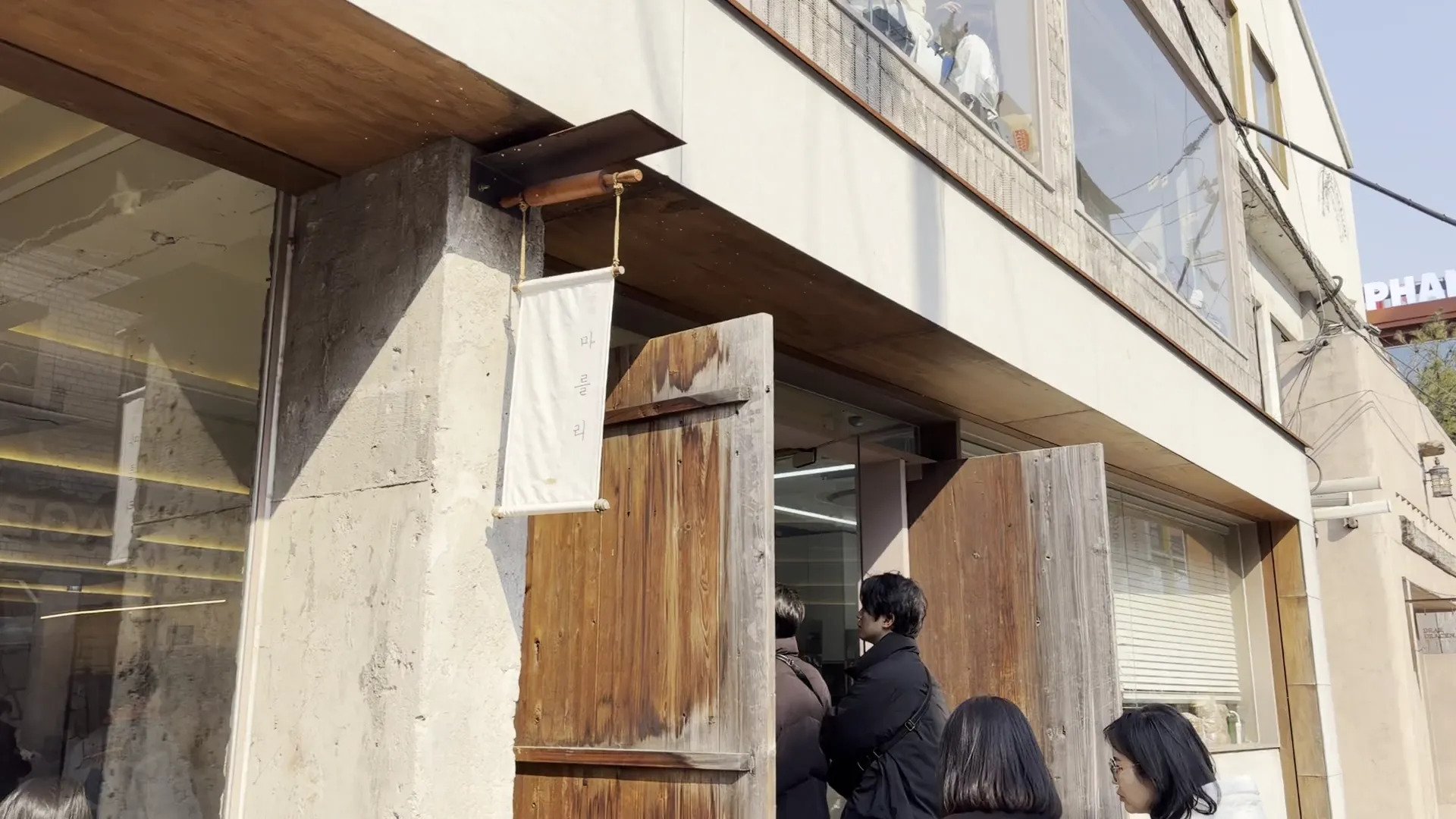
Marly
A two-floor dessert café on Seongsu-dong's café street serving handmade crepe cakes and scones.
Before you go: Pair a coffee with a slice of crepe cake or a scone.
47 Yeonmujang-gil, Seongsu-dong 2-ga, Seongdong-gu, Seoul, South Korea
Open in maps
 Food4.4
Xesc Menzl
A Seongsu-dong charcuterie where chef Kim Jeong-hyeon makes his own hams and sausages using techniques learned in Europe.
Before you go: To sample several cured meats at once, order the Bokki platter with prosciutto, salchichón, burrata and baguette.
1F, 7 Seongsui-ro 14-gil, Seongsu-dong 2-ga, Seongdong-gu, Seoul, South Korea
Open in maps
 Food4.9
Yeonnam-dong Pasta Street
The trendy Yeonnam-dong neighborhood near Hongdae is packed with indie pasta restaurants and fusion eateries. Walk along Gyeongui Line Forest Park for endless dining options.
Before you go: Try any restaurant along Gyeongui Line Forest Park — most are excellent.
South Korea, Seoul, Mapo-gu, Yanghwa-ro 19-gil, 22-30 1.5층
Open in maps
 Cafe4.2
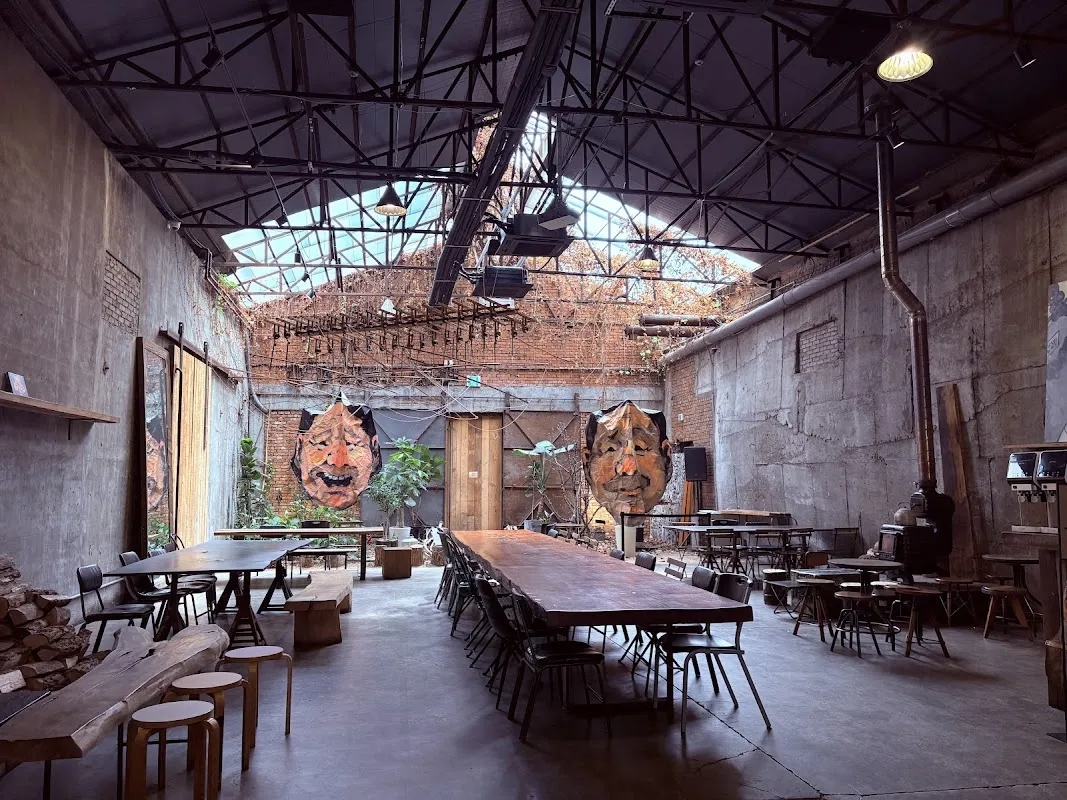
Daelim Changgo
The OG Seongsu-dong warehouse conversion -- a 1970s rice mill turned gallery and cafe with exposed red-brick walls. Known for Geisha single-origin coffee (15,000 KRW) and rotating art exhibitions. This is the spot that kicked off the whole Seongsu cafe scene.
Before you go: Seongsu Station Exit 3, then 7min walk south along Seongsui-ro.
78 Seongsui-ro, Seongdong-gu, Seoul, South Korea
Open in maps
 Cafe4.2
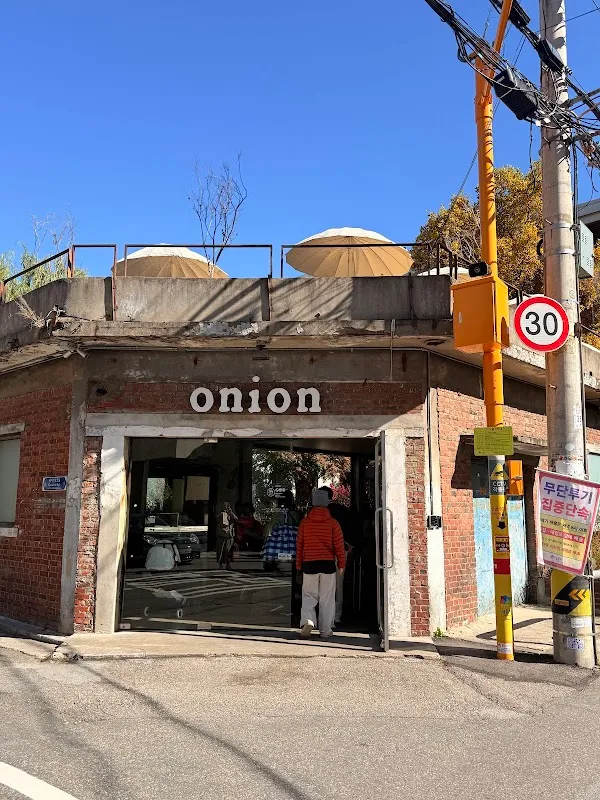
Onion Seongsu
Onion Seongsu is a bakery café in Seongsu-dong, set in a building first put up in the 1970s. Over nearly 50 years it served as a supermarket, a repair shop and a metal workshop, and the café leaves the peeling paint and cement brick in view, so it is described as a place that shows Seongsu-dong's past. Pandoro, ang-butter bread and other bakes are served with coffee.
Before you go: Choose the Seongsu branch when navigating to avoid other Onion locations.
8 Achasan-ro 9-gil, Seongdong-gu, Seoul, South Korea
Open in maps
 Food5.0
Hongdae Korean BBQ (Hanwoo)
Hanwoo beef BBQ in the heart of Hongdae. Top-grade Korean beef grilled at your table with banchan and ssamjang.
Before you go: Korean BBQ is best enjoyed as a group dinner.
South Korea, Seoul, Mapo-gu, Hongik-ro 5an-gil, 24 2층
Open in maps
 Food4.9
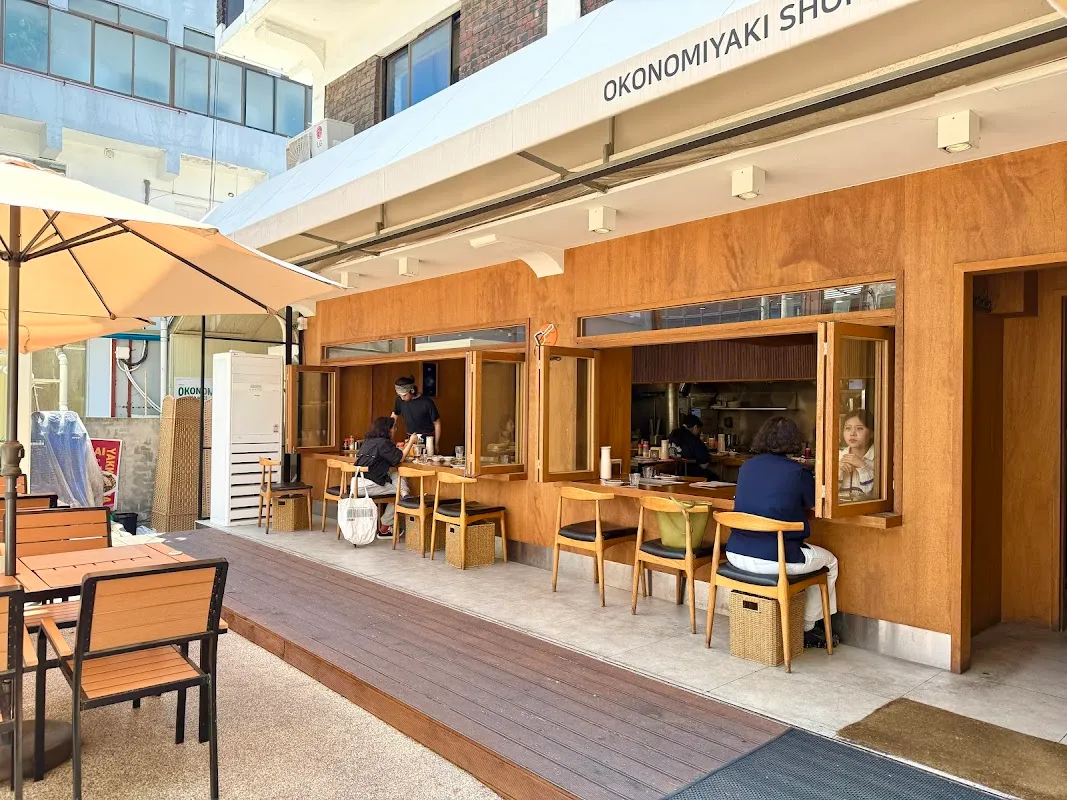
Jyojyo
Teppanyaki specialty by Chef Park Sehyo (Iron Plate Boss), Black Spoon on Culinary Class Wars S2. Live teppanyaki performance cooking right before your eyes.
Before you go: Counter teppan seats recommended
7 Yeonmujang 17-gil, Seongdong-gu, Seoul, South Korea
Open in maps
 Food4.5
Mokgumeong BBQ Hongdae
Mokgumeong's Hongik University Station branch is a pork barbecue restaurant at 8 World Cup buk-ro 4-gil. Pork belly and neck are cooked on a cauldron-lid grill.
Before you go: Select the Hongik University Station branch rather than another location.
8 World Cup buk-ro 4-gil, Mapo-gu, Seoul, South Korea
Open in maps
 Food4.5
Neungdong Minari Seongsu
Neungdong Minari’s Seongsu branch at 42 Yeonmujang-gil serves dishes including minari gomtang and yukhoe bibimbap. The menu includes soup and rice dishes featuring minari greens.
Before you go: Yukhoe bibimbap contains raw beef. If you prefer cooked meat, check how your chosen dish is prepared.
42 Yeonmujang-gil, Seongdong-gu, Seoul, South Korea
Open in maps
 Food4.1
Hongdae BBQ Street
The stretch of Hongdae Walking Street where barbecue restaurants and pubs gather around the wooden stage and outdoor plaza.
Before you go: Leave Hongik University Station by Exit 8 or 9 and walk straight toward the university to reach Walking Street.
Eoulmadang-ro area (Hongdae Walking Street), Mapo-gu, Seoul, South Korea
Open in maps
Day 3
Seoul: Namsan Tower, Itaewon & Nightlife
3 places
Explore the international dining scene of Itaewon, take in panoramic city views from the iconic N Seoul Tower atop Namsan Mountain, and end the night discovering Seoul's coolest retro-meets-modern bar district in Euljiro.
 Food
Stop 1Itaewon
Itaewon became Seoul's first special tourist zone in 1997 and is a multicultural neighborhood home to more than 20,000 foreign residents. Behind the Hamilton Hotel, World Food Street gathers restaurants run by foreign owners, and Islam Street around the Seoul Central Mosque has halal restaurants and grocery stores.
Before you go: World Food Street begins in the lanes behind the Hamilton Hotel, reached from Exit 1 of Itaewon Station.
Itaewon-dong, Yongsan District, Seoul, South Korea
Open in maps
 Sights4.5
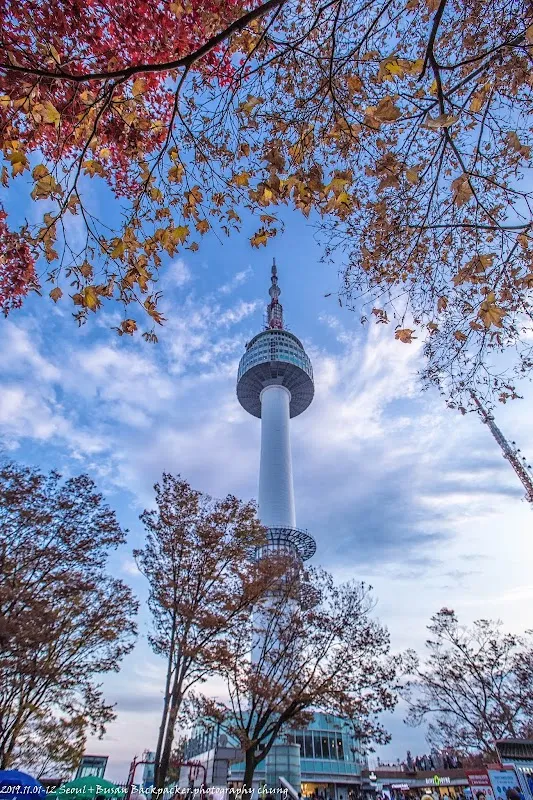
Stop 2N Seoul Tower (Namsan Tower)
N Seoul Tower offers views over Seoul from Namsan. The observatory and restaurants have different schedules, so check the facility you plan to use.
Before you go: The observatory opens 10:00–22:30 on weekdays and 10:00–23:00 on weekends and public holidays. Last entry is 30 minutes before closing.
105 Namsangongwon-gil, Yongsan District, Seoul, South Korea
Open in maps
 Food4.1
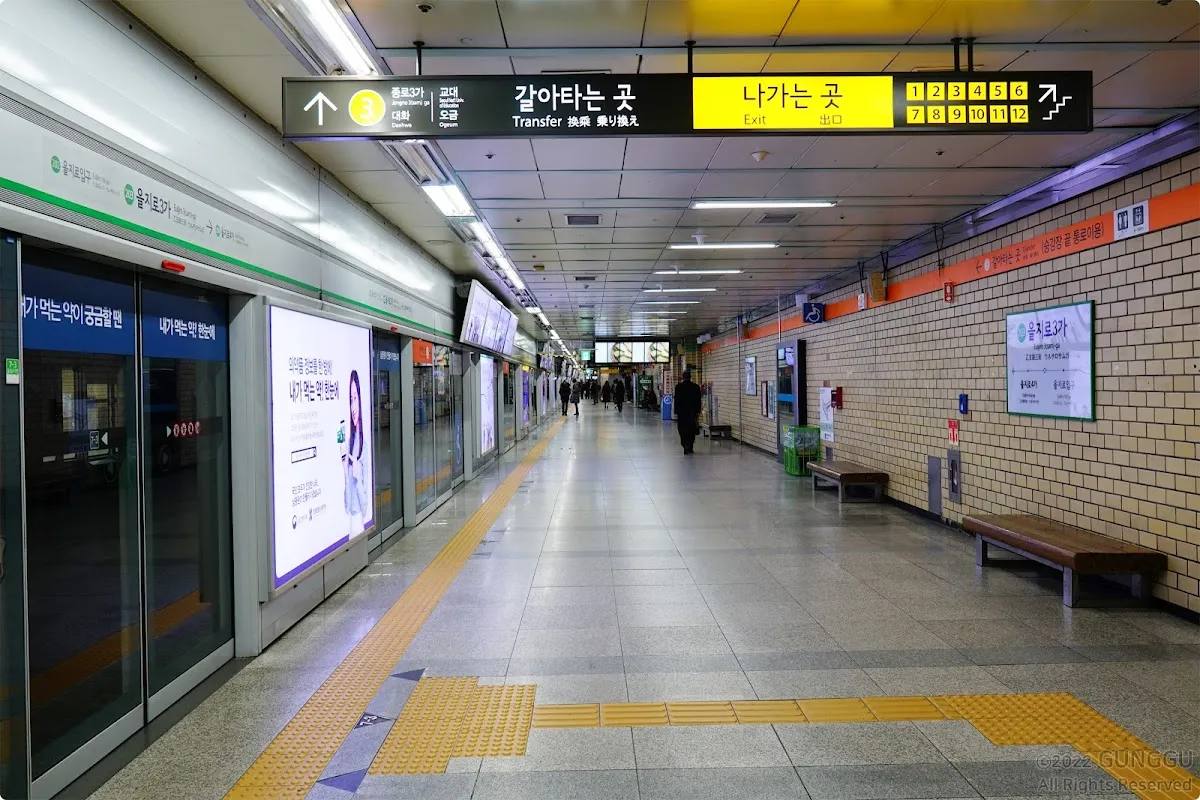
Stop 3Euljiro Hip Bars
Euljiro Hip Bars is a name for the small bars and cafes that have opened among the printing shops, lighting stores and tool dealers in the alleys of Euljiro, Seoul. Many sit in easy-to-miss lanes or on the upper floors of old buildings with only a small marker outside, so finding the door among the old workshops is part of the visit.
Before you go: Euljiro's bars are often on the upper floors of old buildings or deep in a lane, marked only by a small sign. Note the building name and floor before you go so you do not miss the entrance.
Seoul, South Korea
Open in maps
Places to eat nearby
 Food4.8
Sukseongdo (Aged Pork Specialist)
Sukseongdo Euljiro grills pork that is aged twice, first in brine and then by dry-ageing. The number before each menu item is its ageing time, and staff grill and cut the meat at the table. One wall of the dining room shows pork as it ages.
Before you go: The nearest station is Euljiro 3-ga, served by Lines 2 and 3.
36 Samil-daero 10-gil, Jung-gu, Seoul, South Korea (Four Points by Sheraton Seoul Myeongdong 2F)
Open in maps
 Food
Euljiro Nogari Alley
Euljiro Nogari Alley is a lane near Euljiro 3-ga Station where pubs serving nogari, dried pollack, and draft beer cluster together. It began in November 1980 when Eulji OB Bear opened as the first nogari pub, and nogari and beer are served at simple tables set out in the alley.
Before you go: The alley is close to Euljiro 3-ga Station on Lines 2 and 3. Visit Seoul points to Exit 3, while VisitKorea's Korean guide describes the lane leading to Exit 4.
Eulji-ro 13-gil, Euljiro 3(sam)-ga, Jung District, Seoul, South Korea
Open in maps
 Food4.6
MOSU Seoul
Michelin 2-star by Chef Ahn Sung-jae. Korean ingredients through French technique in an intimate Hannam-dong setting. Known from Culinary Class Wars Season 1. The tasting course balances precision and restraint — each dish draws on Korean terroir with French structure.
Before you go: Reservations essential — book via the website 3-4 weeks ahead. One of the hardest tables in Seoul.
4 Hoenamu-ro 41-gil, Yongsan District, Seoul, South Korea
Open in maps
 Food4.1
Eulji Canh Canh
Vietnamese and Asian restaurant by Chef Jo Gyeongchan (Mr. Saigon), Black Spoon on Culinary Class Wars S2. Authentic Vietnamese and Asian fusion in Euljiro.
Before you go: Pho and bun cha recommended
South Korea, Seoul, Jung District, Eulji-ro 12-gil, 12 2층
Open in maps
 Food4.6
Sancheong Sutbul Garden Euljiro
A barbecue restaurant at the end of an Euljiro 3-ga alley that grills Jirisan black pork over charcoal.
Before you go: Start with the traditional salt-grilled pork, then follow with the gochujang-glazed pork.
114-6 Eulji-ro, Euljiro 3-ga, Jung-gu, Seoul, South Korea
Open in maps
 Food0.0
Euljiro Gopchang Alley
Cluster of gopchang (beef intestine BBQ) restaurants near Euljiro 3-ga. Charcoal-grilled intestines with soju is the quintessential Korean after-work meal. Smoke-filled alleys, plastic stools, and no-frills atmosphere — this is where office workers unwind after hours.
Before you go: Most shops open from 5pm — this is a dinner/nightlife spot, not for lunch.
Euljiro 3-ga to 4-ga area, Jung-gu, Seoul, South Korea
Open in maps
 Cafe0.0
Euljiro Cafe Alley
Lanes around Euljiro 3-ga where cafes and small shops have moved into the old buildings of the printing trade.
Before you go: The lane to Coffee Hanyakbang is narrow and easy to miss, so navigate by the address 16-6 Samil-daero 12-gil.
Euljiro 3-ga area, Jung-gu, Seoul, South Korea
Open in maps
 Food
Gyeongnidan-gil Dining
Gyeongnidan-gil is the name for Hoenamu-ro, which runs from the Armed Forces Financial Management Corps to the front of the Hyatt hotel in Itaewon-dong, Yongsan-gu, together with the alleys around it. A nearby US military base brought many foreign residents early on, restaurants and bars suited to their tastes followed, and today restaurants, pubs and cafés fill the main road and its side streets.
Before you go: From Exit 2 of Noksapyeong Station on Line 6, walk toward Namsan Tunnel 3 to reach the start of Gyeongnidan-gil.
Hoenamu-ro, Yongsan District, Seoul, South Korea
Open in maps
Day 4
KTX to Busan: Haeundae Beach & Coastal Wonders
3 places
Catch the morning KTX bullet train to Busan (2.5 hours). Start at Gwangalli Beach with the Diamond Bridge, head to Korea's most famous Haeundae Beach, and visit the breathtaking seaside Haedong Yonggungsa Temple.
 Sights4.6
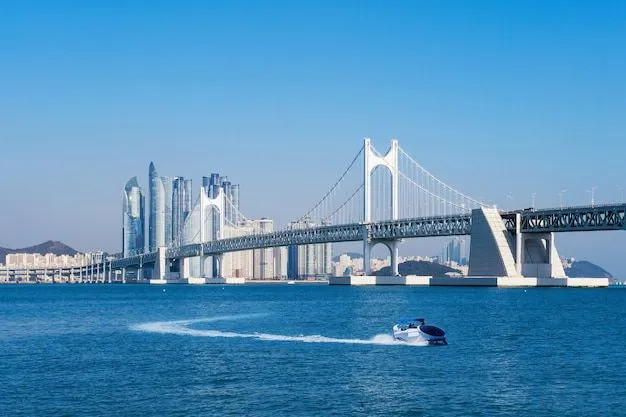
Stop 1Gwangalli Beach & Diamond Bridge
Gwangalli Beach lies west of Haeundae in Suyeong-gu, Busan, a 1.4-kilometer stretch of fine sand 25 to 110 meters wide. Gwangandaegyo, the double-deck sea bridge that crosses the water in front of it, opened in 2003 and glows with multicolored LED lights after dark.
Before you go: Come after sunset to see Gwangandaegyo lit up.
Busan, South Korea
Open in maps
 Sights4.6
Stop 2Haeundae Beach
One of Busan’s best-known beaches, Haeundae has a broad sandy shore and a sweeping coastline. Its water is described as shallow with gentle waves, and visitors can walk along the shore or look out from the sand. Buildings and hotels line the coast, creating an urban backdrop, with nearby sights such as Dongbaekseom Island to explore as well.
Before you go: Dongbaekseom Island is nearby and can be included in a look around the coastal area.
Haeundae Beach, South Korea
Open in maps
 Sights4.4
Stop 3Haedong Yonggungsa Temple
A stunning seaside Buddhist temple perched on the rocky coastline of northeastern Busan. Unlike most Korean temples hidden in the mountains, this one offers breathtaking ocean panoramas with crashing waves below.
Before you go: Arrive early morning to avoid crowds and catch the sunrise over the ocean.
86 Yonggung-gil, Gijang, Busan, South Korea
Open in maps
Places to eat nearby
 Food4.2
Haeundae Market
Haeundae Market is a traditional market within walking distance of Haeundae Beach and Haeundae Station. Shops selling tteokbokki, fried snacks, kalguksu noodles, kkwabaegi twisted doughnuts and dwaeji-gukbap pork soup line its lanes alongside raw-fish and grilled gomjangeo (hagfish) restaurants, and dried seafood, fruit, vegetables and rice cakes are sold too.
Before you go: Take Exit 3 of Haeundae Station on Busan Metro Line 2 and walk to the market.
22-1 Gunam-ro 41beon-gil, Haeundae, Busan, South Korea
Open in maps
 Food3.8
Haeundae Pojangmacha (Night Market Stalls)
Orange tent stalls lining Haeundae Beach. Fresh seafood, pajeon (seafood pancake), and soju right by the ocean with the sound of waves and sea breeze. Opens after sunset.
Before you go: Try the live octopus (sannakji) and haemul pajeon (seafood pancake).
236 Haeundaehaebyeon-ro, Haeundae, Busan, South Korea
Open in maps
Day 5
Busan: Gamcheon Village, Markets & Local Food
3 places
Explore the colorful 'Machu Picchu of Busan' at Gamcheon Culture Village, dive into the bustling Jagalchi Fish Market for the freshest seafood, and browse the sprawling Gukje International Market for souvenirs and street food.
 Sights4.4
Stop 1Gamcheon Culture Village
This hillside neighborhood grew around terraced homes during and after the Korean War, then gained resident-led art and regeneration projects. Its lanes combine public art with views toward Busan's ports.
Before you go: Check the map at the visitor center to choose between the roughly 40-minute and 80-minute routes.
203 Gamnae 2-ro, Saha-gu, Busan, South Korea
Open in maps
 Food4.0
Stop 2Jagalchi Fish Market
Korea's largest seafood market. The massive building houses hundreds of vendors selling live fish, crabs, sea urchin, and more. Pick your seafood on the first floor and have it prepared on the second.
Before you go: Go early morning for the freshest selection.
52 Jagalchihaean-ro, Jung-gu, Busan, South Korea
Open in maps
 Shopping4.1
Stop 3Gukje International Market
Gukje Market is a traditional market in Sinchang-dong, Jung-gu, Busan, where alleys and buildings run together like a maze. It began as an open-air trading ground right after liberation in 1945, grew busy as refugees traded there after the Korean War, and, after a period as Jayu (Freedom) Market, took its current name, meaning international, once it began handling goods from US military bases.
Before you go: Jagalchi Market, Bupyeong (Kkangtong) Market and Bosu-dong Book Street are nearby, so explore them together.
55 Gukjesijang 2-gil, Jung-gu, Busan, South Korea
Open in maps
Places to eat nearby
 Cafe4.7
Blue House on the Stairs
A small coffee shop tucked into the alleys of Gamcheon Culture Village, handy for a break while you walk the terraced hillside.
Before you go: Take Busan Metro Line 1 to Toseong Station, leave by Exit 6 and ride village bus Saha 1-1, Seo-gu 2 or Seo-gu 2-2 to the Gamjeong Elementary School stop to enter the village.
3 Gamnae 1-ro 243beon-gil, Saha-gu, Busan, South Korea
Open in maps
 Food4.3
Nampo-dong Tteokbokki Alley
A narrow alley near BIFF Square packed with tteokbokki stalls serving Busan-style spicy rice cakes. Thicker and chewier than Seoul-style, often served with tempura and fish cake.
Before you go: Busan tteokbokki uses thicker rice cakes than Seoul — chewier texture.
105-2 Nampo-dong 5(o)-ga, Jung-gu, Busan, South Korea
Open in maps
 Food4.1
Bupyeong Kkangtong Market
Bupyeong Kkangtong Market is a traditional market in Jung-gu, Busan, that opened in 1910 as Bupyeongjeong Market. It took the name Kkangtong, meaning tin can, from the brisk trade in canned goods from US military bases after the Korean War, and since its night market opened in October 2013, its alleys have offered Korean and international street food.
Before you go: The night-market stalls line the 110-meter alley that connects Gates 3 and 4 of the market.
39 Bupyeong 1-gil, Jung-gu, Busan, South Korea
Open in maps
Day 6
Busan Morning: Taejongdae Cliffs & Departure
2 places
Spend your final morning at the dramatic seaside cliffs of Taejongdae Resort Park with views stretching to Japan on clear days. Stop by BIFF Square for last-minute street food and souvenirs before heading to the airport or train station.
 Sights4.1
Stop 1BIFF Square
A square and street in the Nampo-dong theater district of Jung-gu, Busan, refurbished for the first Busan International Film Festival in 1996. Bronze plates with the handprints of festival honorees are set into the pavement, theaters and shops line the street, and traces of its years as the festival's main stage remain throughout.
Before you go: The handprint plates are in the pavement of the Star Street section, which runs from the former Buyeong Theater to Busan Theater.
58-1 Gudeok-ro, Jung-gu, Busan, South Korea
Open in maps
 Sights4.4
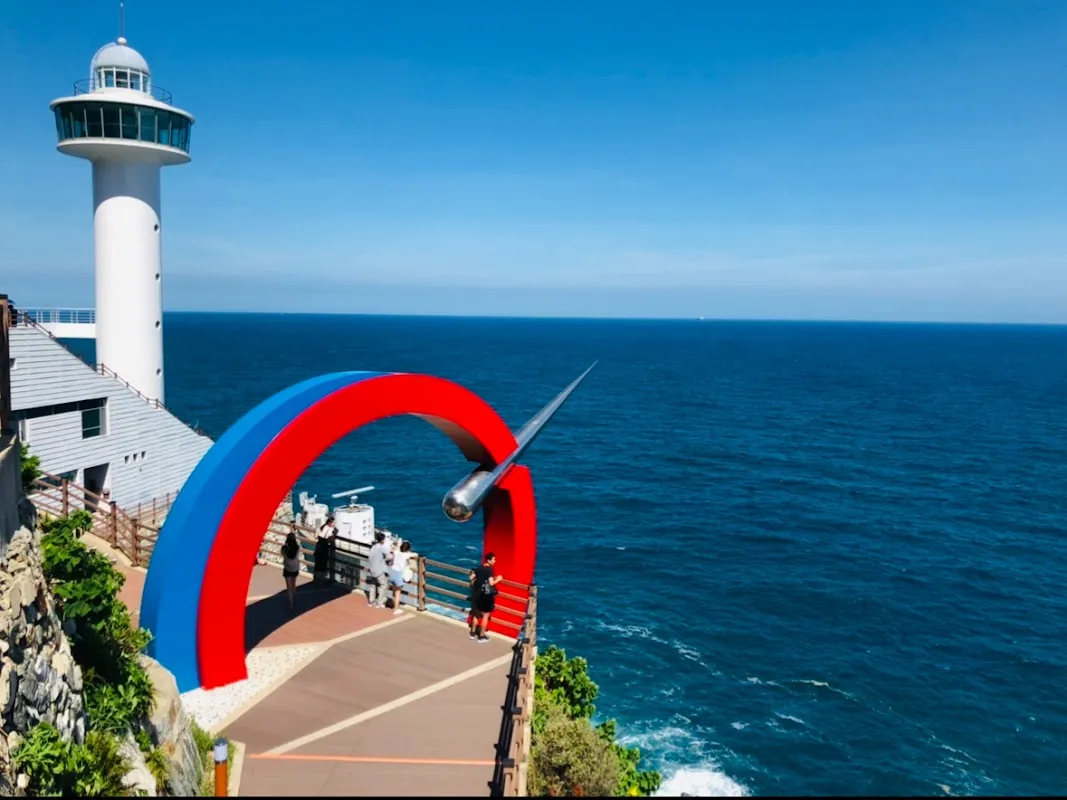
Stop 2Taejongdae Resort Park
A coastal scenic site at the southern tip of Yeongdo Island in Busan, where wave-cut cliffs and marine terraces meet pine and evergreen forest. It was designated a national Scenic Site in 2005.
Before you go: Take Busan Subway Line 1 to Busan Station, leave by Exit 7 and catch bus 66, 88 or 101 to the Taejongdae stop.
24 Jeonmang-ro, Yeongdo-gu, Busan, South Korea
Open in maps
Places to eat nearby
 Food4.1
BIFF Square Halmae Gimbap
Iconic grandma-style kimbap at BIFF Square since the 1960s. Simple, hand-rolled rice rolls with pickled radish and vegetables — a Busan street food legend that's cheap, fast, and delicious.
Before you go: Just 2,000-3,000 KRW per roll — perfect quick snack.
58-1 Gudeok-ro, Jung-gu, Busan, South Korea
Open in maps
 Food4.2
Busan Ssiat Hotteok (Seed Pancake)
Busan's famous street food specialty — a crispy fried pancake stuffed with brown sugar syrup, mixed seeds (sunflower, pumpkin, sesame), and chopped peanuts. The unique seed-filled version originated in Busan and can't be found anywhere else.
Before you go: The most famous stall is at BIFF Square with a permanently long queue — look for the one with the biggest crowd.
36 BIFF gwangjang-ro, Jung-gu, Busan, South Korea
Open in maps

Image credit한국관광공사 · KOGL FoodBupyeong Jokbal Alley
Bupyeong-dong has an alley of jokbal shops, a long-loved Busan pork dish. The cluster grew from a small shop in the 1980s and stretches between the Gukje Market intersection and Bupyeong crossroads. Walk among the shop signs and sample a local take on pork cuisine.
Before you go: The alley runs from the Gukje Market intersection to Bupyeong crossroads.
부산광역시 중구 광복로12번길 3
Open in maps